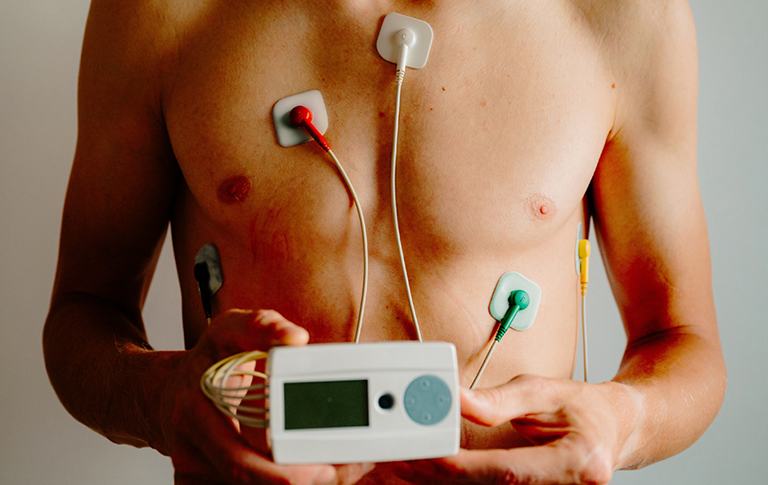

Heart rhythm assessment may involve a resting electrocardiogram (ECG) and, where appropriate, longer-term ambulatory monitoring, such as a Holter monitor or mobile cardiac telemetry.
An ECG records the electrical activity of the heart at a single point in time. It is a useful first step in assessing symptoms such as palpitations, dizziness, chest discomfort, or fainting. However, many rhythm disturbances are intermittent. If an episode does not occur during the brief recording, the ECG may appear normal.
For this reason, extended monitoring is often recommended when symptoms are episodic or unpredictable. Dr Sophia Wong approaches rhythm investigation with a focus on selecting the right test for the right duration, ensuring assessment is clinically appropriate.
Ambulatory monitoring may be considered if you experience:
In some cases, monitoring is used to correlate symptoms with heart rhythm. This helps determine whether symptoms are cardiac in origin and guides appropriate next steps. Not every symptom requires prolonged monitoring, and decisions are based on symptom frequency, severity, and overall clinical context.
A Holter monitor is a portable device worn continuously, usually for 24 to 48 hours, to record the heart rhythm over an extended period. This increases the likelihood of detecting intermittent rhythm abnormalities compared with a brief ECG test.
For infrequent symptoms, extended monitoring may be recommended for up to 2 weeks. These devices are small, discreet, and waterproof, allowing people to continue most normal daily activities during monitoring.
In selected situations, mobile cardiac telemetry may be used. This form of monitoring allows continuous recording with remote data transmission and can be helpful when closer observation is required or when more significant rhythm disturbances are suspected.
If a condition such as supraventricular tachycardia is present, capturing the rhythm during an episode allows accurate diagnosis. Because some arrhythmias are intermittent, extended monitoring is often necessary to confirm the pattern.
The duration and type of monitoring are selected carefully to reduce unnecessary testing while ensuring meaningful information is obtained. Normal monitoring results can be just as valuable as abnormal findings. They help clarify whether symptoms are rhythm-related and support confident decision-making.
Dr Wong prioritises clear explanation of results and integrates findings into each person’s broader health context, rather than viewing rhythm changes in isolation.