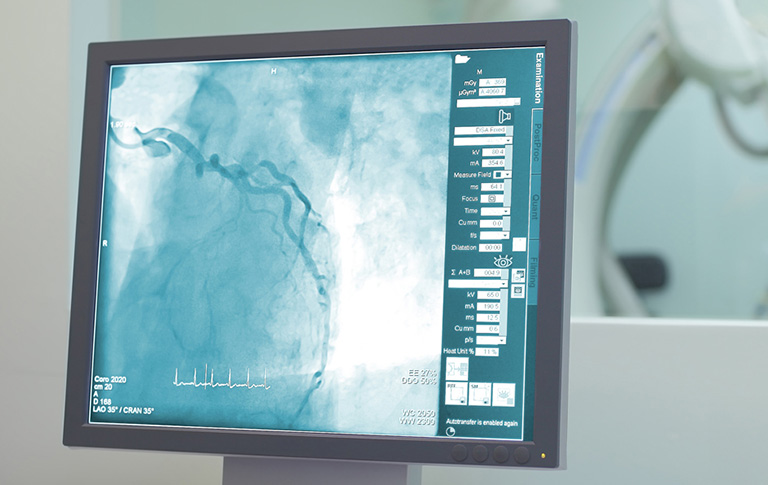

Echocardiography is a non-invasive ultrasound test used to assess the structure and function of the heart. It is commonly called an echocardiogram or heart ultrasound. This investigation provides detailed information on heart muscle strength, valve function, chamber size, and intracardiac pressures.
Because echocardiography allows real-time imaging without radiation or invasive procedures, it is widely used in cardiology. Dr Sophia Wong incorporates echocardiography into a careful, evidence-based assessment, ensuring investigations are appropriate, informative, and guided by individual clinical context.
An echocardiogram may be recommended to clarify a range of cardiac symptoms or findings. It is commonly used to assess:
In many cases, normal echocardiography results are reassuring. They help confirm that symptoms are not related to structural heart disease and reduce uncertainty about next steps.
The most common form of echocardiography is a transthoracic echocardiogram, where an ultrasound probe is placed on the chest wall to obtain images of the heart. The procedure is painless and typically takes around 30 to 45 minutes.
A transthoracic echocardiogram provides information on heart muscle contraction, valve structure and function, chamber size, blood flow patterns, and intracardiac pressures. The results are interpreted within the broader clinical picture, rather than in isolation.
Your cardiologist will explain why the test is being recommended and how the findings will guide decision-making.
In some situations, a stress echocardiogram may be recommended. This involves imaging the heart before and after exertion or medication-induced stress to assess how the heart performs under increased workload.
Stress echocardiography can be helpful in evaluating exercise-related symptoms or assessing for possible coronary artery disease in selected patients. As with all investigations, the decision to perform a stress echocardiogram is based on symptoms, risk factors, and the specific clinical question being addressed.
The need for echocardiography and the timing of repeat studies are guided by symptoms and clinical context. Not all patients require repeated testing. Investigations are selected to support clarity and informed care, while avoiding unnecessary medicalisation.
Dr Wong’s approach prioritises careful interpretation, clear explanation, and integration of results into each person’s overall health goals.