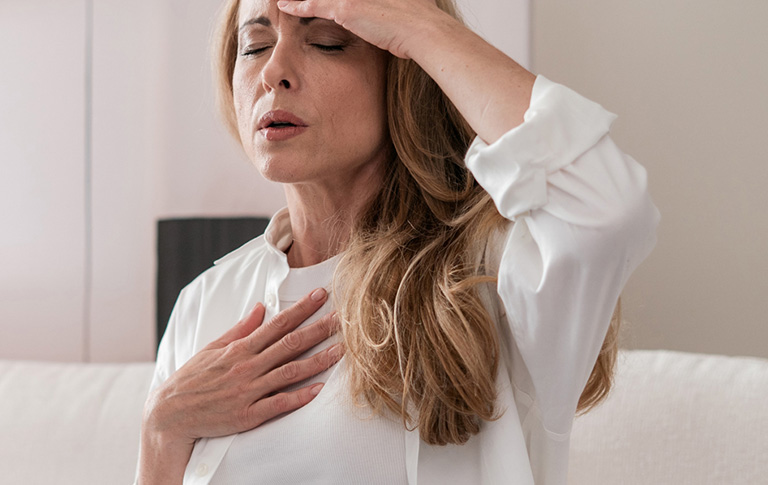

Heart palpitations are a sensation of the heartbeat. This may feel like heart racing, heart fluttering, pounding, skipping, or irregular beats.
Palpitations are common and, in many cases, are not caused by serious heart disease. They may occur in healthy individuals and can be triggered by stress, caffeine, hormonal change, illness, or fatigue.
However, in some situations, palpitations may reflect an underlying heart rhythm disturbance. The role of assessment is to determine whether symptoms are benign or require further management.
Heart racing may occur during anxiety, exertion, fever, dehydration, or hormonal fluctuation. Heart fluttering can sometimes represent extra beats or brief rhythm changes that are often harmless.
Less commonly, palpitations may be related to sustained rhythm disturbances such as supraventricular tachycardia or atrial fibrillation. These conditions may require specific treatment.
Key features that guide assessment include:
Most palpitations are intermittent and not dangerous. Careful history often provides as much information as testing.
Assessment begins with a detailed discussion of symptoms and triggers. A resting ECG may be performed to evaluate the baseline rhythm.
Because many rhythm disturbances are intermittent, ambulatory monitoring is often useful. This may involve a Holter monitor worn for 24 to 48 hours or extended monitoring for 1 to 2 weeks. These devices help correlate symptoms with heart rhythm.
Testing is selected to answer a specific clinical question rather than performed routinely. In many cases, results are normal and provide reassurance.
Cardiac review may be appropriate if heart palpitations are:
If symptoms are severe or accompanied by collapse, urgent medical attention is required.
For many people, however, palpitations are benign and can be managed with education and simple lifestyle adjustments.
Management depends on the cause identified. Some rhythm disturbances require medication or procedural treatment, while others require only reassurance and monitoring.
Lifestyle factors such as sleep, hydration, caffeine intake, and stress can influence heart racing and fluttering. Addressing these may significantly reduce symptom burden.
The goal of assessment is clarity. Understanding what symptoms represent often reduces anxiety and allows people to return to normal activity with confidence.