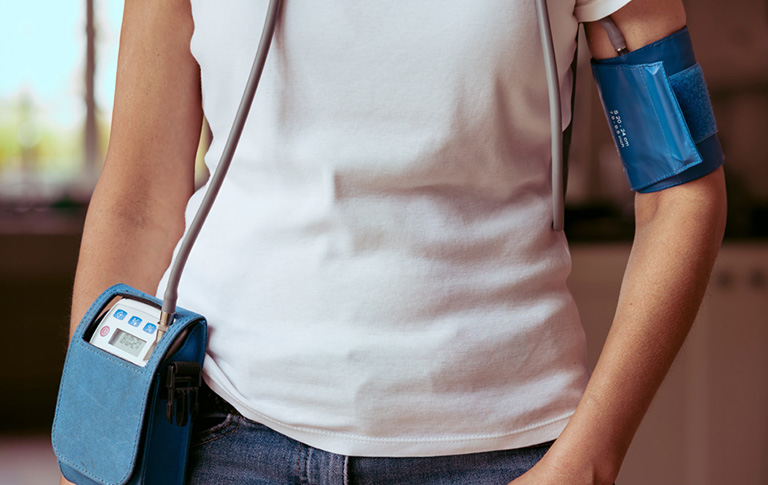

Twenty-four-hour ambulatory blood pressure monitoring, often referred to as ABPM or a 24-hour BP monitor, provides a detailed assessment of blood pressure patterns over a full day and night. A small, portable blood pressure monitor is worn during normal daily activities and while sleeping, automatically recording multiple readings.
Unlike single-clinic measurements, ambulatory blood pressure monitoring provides a more accurate reflection of a person’s usual blood pressure and overall cardiovascular risk. It helps identify patterns that may not be apparent during a brief appointment.
Dr Sophia Wong recommends ambulatory blood pressure monitoring when it is expected to clarify diagnosis or guide management, rather than relying on isolated readings.
ABPM may be particularly useful in situations such as:
Blood pressure naturally fluctuates throughout the day. A 24-hour BP monitor provides context, helping distinguish between temporary elevations and sustained hypertension.
A portable blood pressure monitor is fitted in a clinic and connected to a cuff worn on the upper arm. The device inflates at regular intervals throughout the day and night, typically every 15 to 30 minutes during waking hours and less frequently during sleep.
Most people can continue their usual daily activities while wearing the monitor. Mild discomfort during cuff inflation is common but temporary. After 24 hours, the device is returned, and the readings are analysed.
The results provide average daytime, nighttime, and overall blood pressure profiles, which are interpreted alongside symptoms, medical history, and cardiovascular risk factors.
The decision to perform ambulatory blood pressure monitoring and the interpretation of results are guided by clinical context rather than isolated numbers. Not every elevated clinic reading requires medication, and not every normal reading excludes risk.
Dr Wong carefully reviews ABPM results and discusses them in conjunction with lifestyle factors, existing conditions, and the long-term risk profile. Management recommendations are based on overall cardiovascular health, not a single measurement.