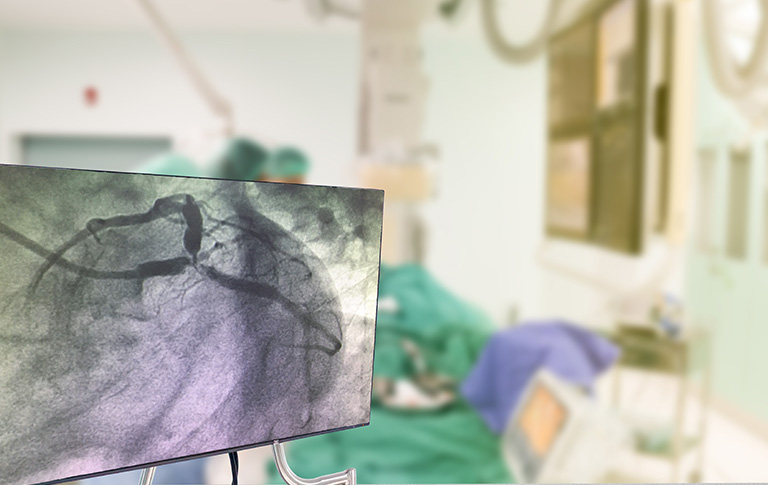
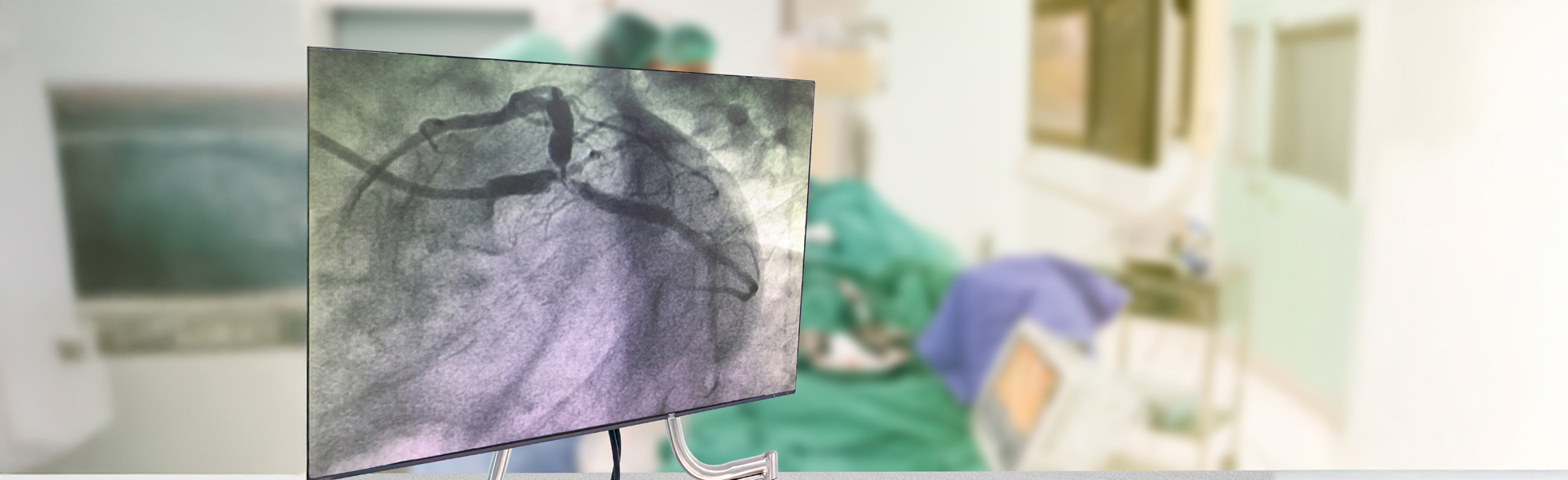
Coronary angiography is a specialised procedure used to assess the arteries that supply blood to the heart. It is sometimes called a coronary or cardiac angiogram. This investigation may be considered when symptoms, test results, or overall clinical risk suggest the possibility of coronary artery disease.
The purpose of coronary angiography is to provide clear anatomical information that supports careful, evidence-based decision-making. It is not performed routinely and is recommended only when it is expected to answer a specific clinical question.
Dr Sophia Wong approaches coronary investigation with a focus on clarity, appropriate testing, and shared decision-making. Recommendations are tailored to each individual rather than based solely on assumptions.
Coronary angiography may be considered when there is concern about reduced blood flow to the heart muscle. It is commonly used to assess:
The procedure allows a detailed assessment of the severity and pattern of coronary narrowing. This information helps guide decisions about medical therapy or further treatment options. Not every person with symptoms requires an invasive test, and in many cases, non-invasive investigations are appropriate first. Angiography is used selectively, based on clinical context.
A coronary angiogram is performed in a specialised cardiac catheter laboratory. During the procedure, a small catheter is inserted through an artery, usually in the wrist or groin. Contrast dye is injected to visualise the coronary arteries, and X-ray imaging is used to assess blood flow and identify any narrowing.
The procedure is performed using contemporary techniques designed to support safety and early recovery. Your cardiologist will explain why the test is being recommended, what information it is expected to provide, and what alternatives may be available, so that decisions are made with full understanding.
In some cases, angioplasty and stent placement (percutaneous coronary intervention, or PCI) may be performed during the same procedure. PCI is not automatic. The decision to proceed is made carefully based on the coronary anatomy identified during angiography, the person’s symptoms and functional impact, and whether intervention is expected to provide meaningful benefit compared with medical therapy alone.
Not all patients with coronary artery disease require a stent. Many people are managed effectively with medications, lifestyle measures, and monitoring. Intervention is recommended only when it is likely to improve symptoms or outcomes in a clear and evidence-supported way.
Dr Wong’s procedural philosophy prioritises appropriate-use cardiology. Interventions are recommended selectively, with a focus on evidence, safety, and patient understanding. Detailed discussion, consent, and procedural planning occur during consultation, with time provided to explain alternatives and answer questions.
The aim is for decisions to feel informed and considered, rather than rushed.
Most people are able to return home within a short period after coronary angiography, depending on the reason for the procedure and whether treatment is performed. Afterwards, your cardiologist will discuss what was found, whether medical therapy is recommended, and what follow-up is required.
Normal results can be just as valuable as abnormal ones. They help clarify whether symptoms are heart-related and can reduce uncertainty moving forward.